The Investment Rationale for Nigeria FEATURED
2077 Downloads
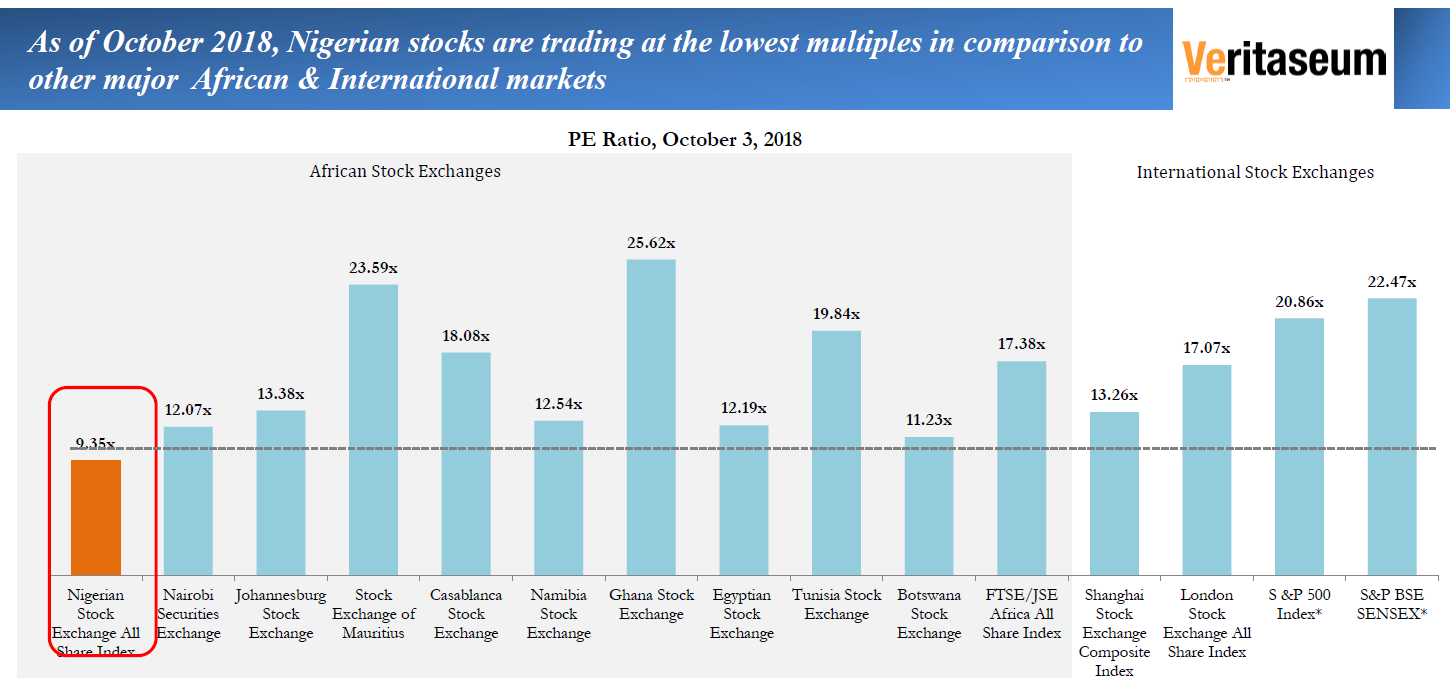
Nigeria is a middle-income country with a mixed economic structure in Africa. The country is plagued with huge income inequalities. Nigeria is a middle-income country with a mixed economic structure in Africa. The country is plagued with huge income inequalities. Currently, the economy is dependent on the Oil sector for its earnings in foreign currency with as much as 90% contribution. However, the Oil & Gas sectorcomprises only 8.5% of the Nigerian GDP Fall in oil prices in 2016 significantly impacted the Nigerian economy that led the government to move towards diversifying the economy and reducing dependenceon the Oil sector However, diversifying the economic base has been a challenge for the country mainly due to political issues, corruption, poor infrastructure, and weak economymanagement Despite all the challenges, the Nigerian economy has been reviving and is expected to register steady growth in the coming years primarily backed by improvingeconomic fundamentals in the country― The country is expected to witness a positive GDP growth rate in the coming years with the GDP (at current prices) expected to reach US$873.9 billion in 2023from US$376.3 billion in 2017― The current account balance of the country is also improving. Current account balance as a percentage of GDP is almost in line with the US, China, UK, andother African economies― National debt as a percentage of GDP is the lowest for Nigeria when compared with selected African and international economies― Elections in 2019 will provide much needed political stability and improved policy decision making to turn business conditions favourable
| File Name: | Investment Rationale - Nigeria_Oct 2018-1.pdf |
| File Size: | 1.47 MB |
| File Type: | application/pdf |
| Download: | 2077 times |
| Created Date: | 12-15-2018 |
| Last Updated Date: | 12-15-2018 |